Painting survived the flood. As an introduction, Mehdi Djelil, known as Bardi, likes to recall the story that discipline carries with her from the caves and negative hands. He sees even modern art reviving this quest for an innocent gaze, a way of speaking to the intelligence through the eyes, first and foremost through color and line.
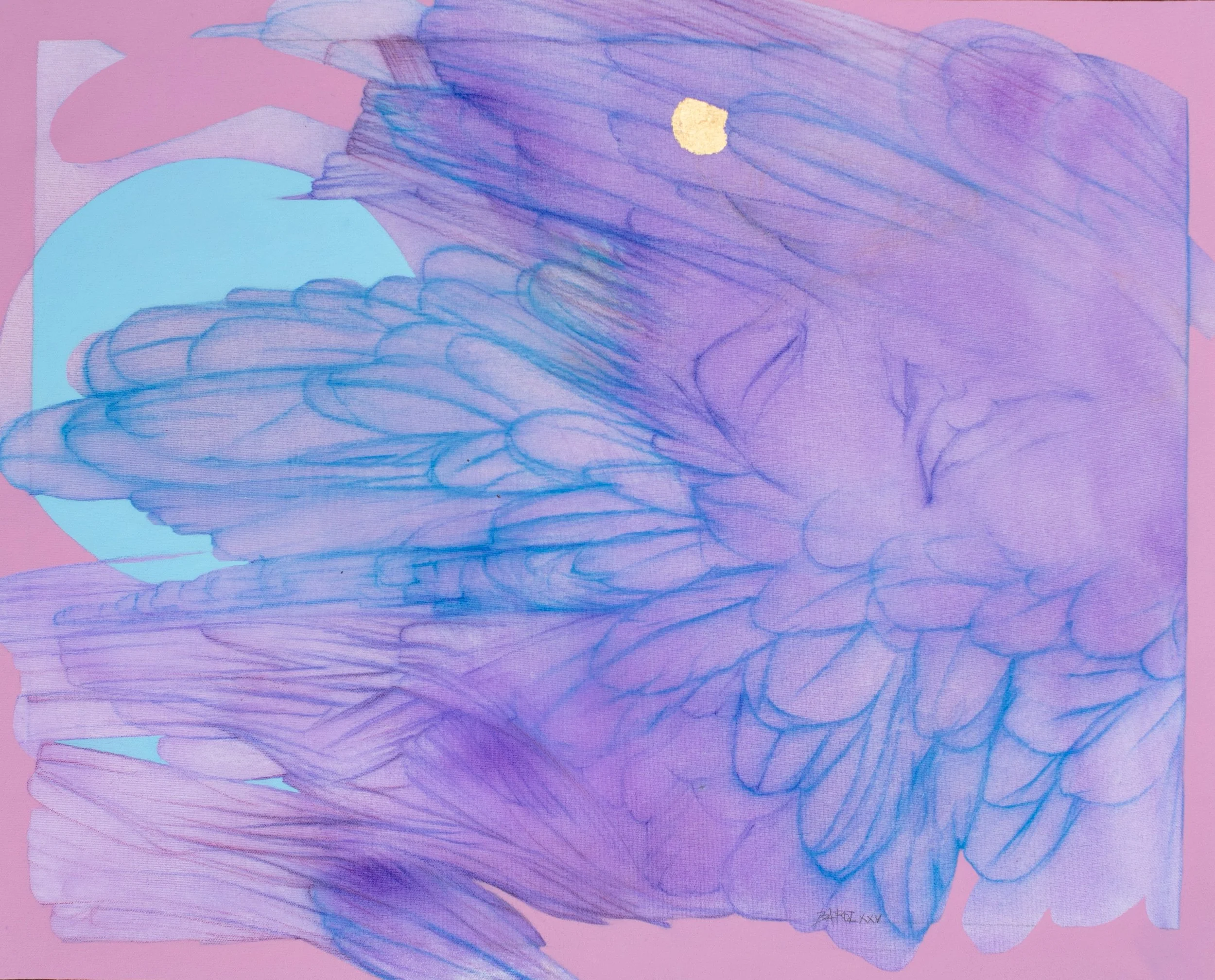
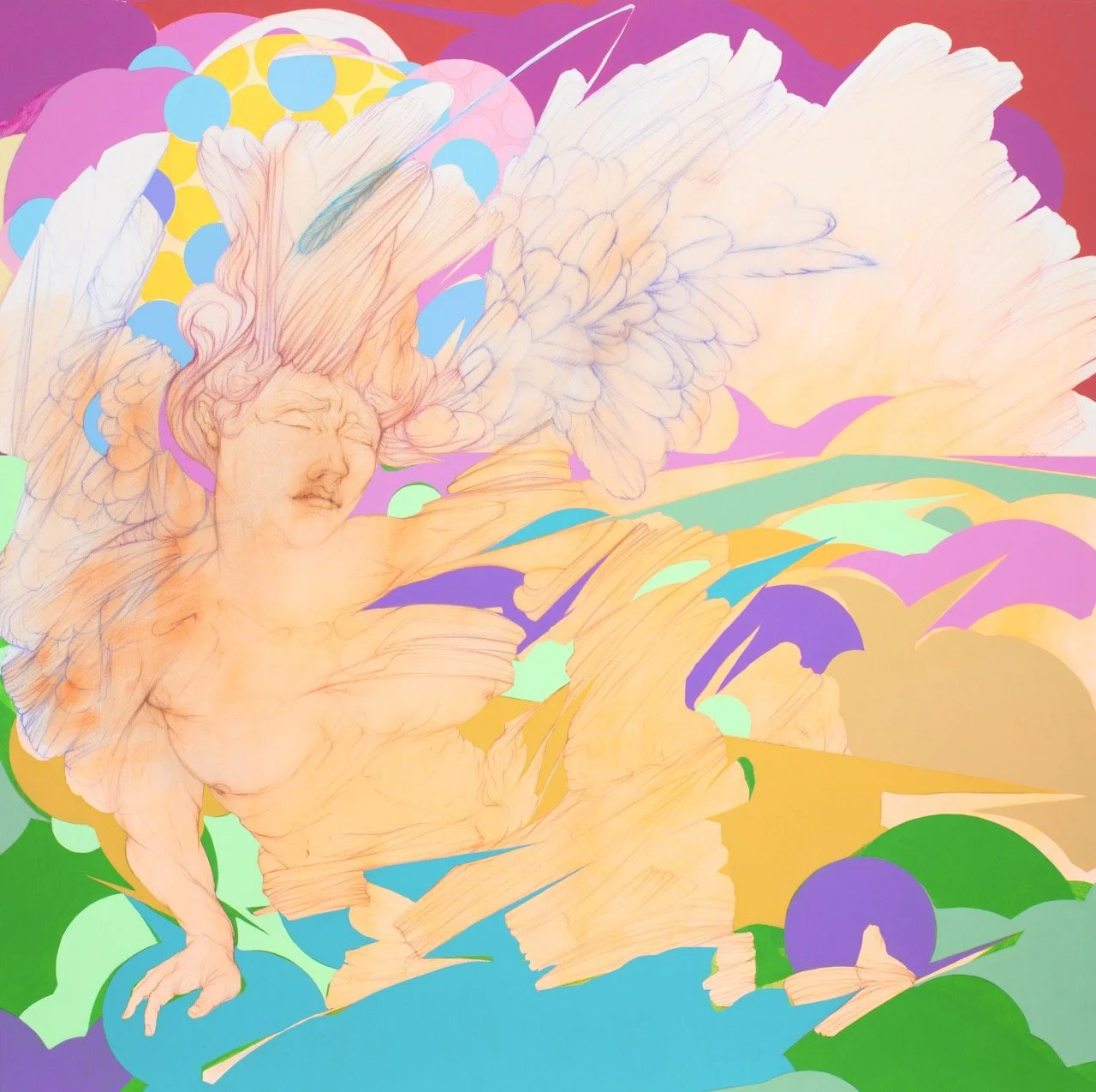
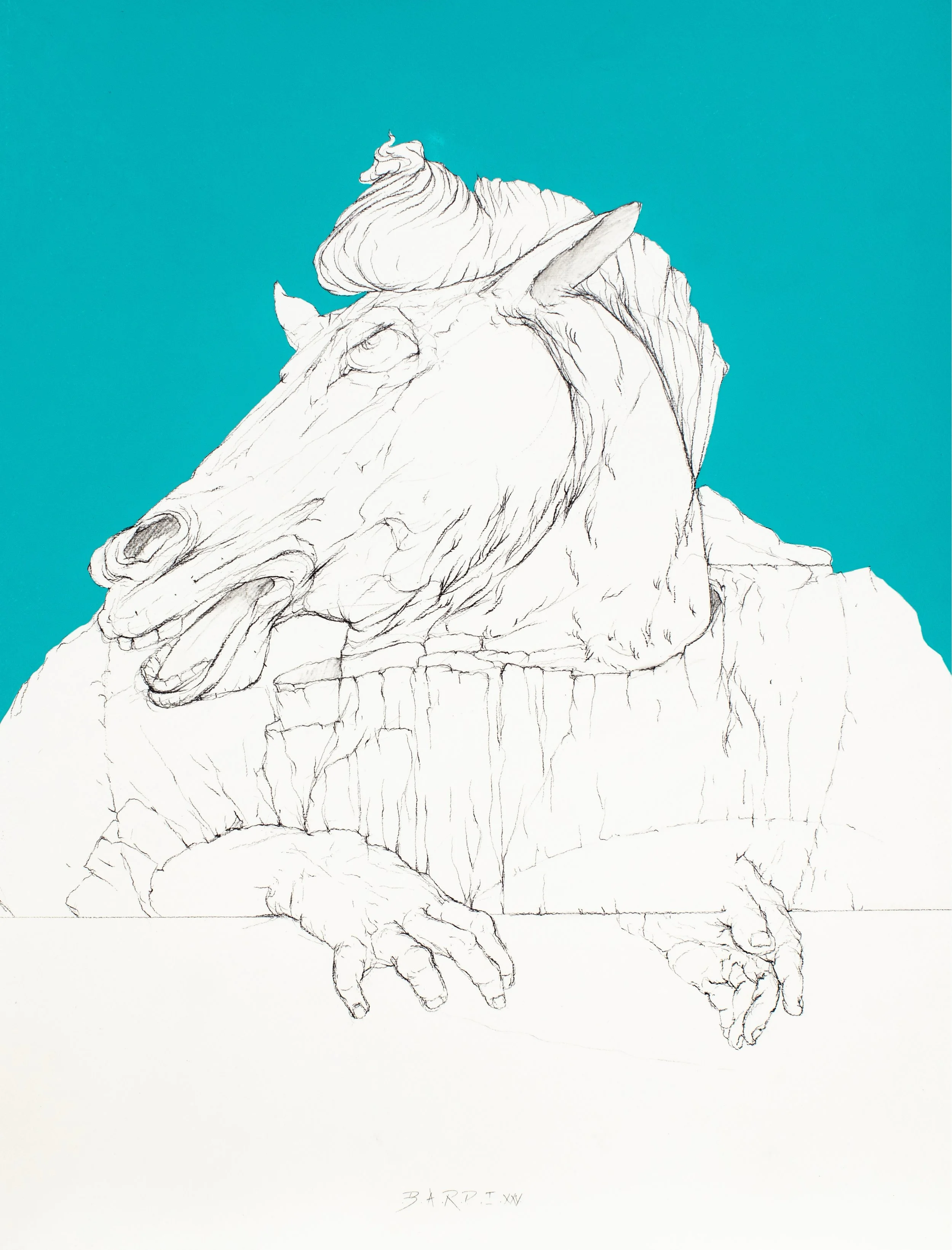
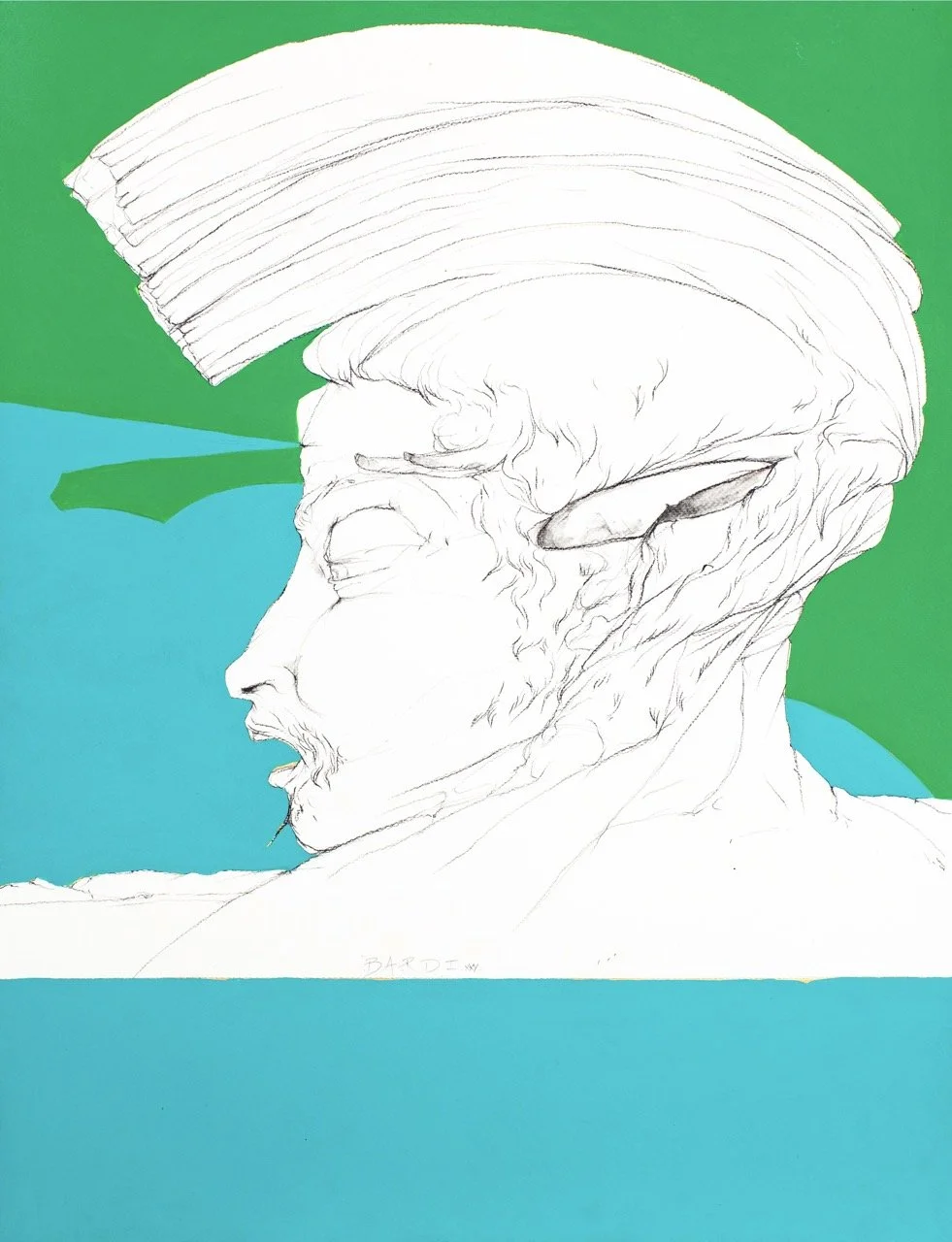
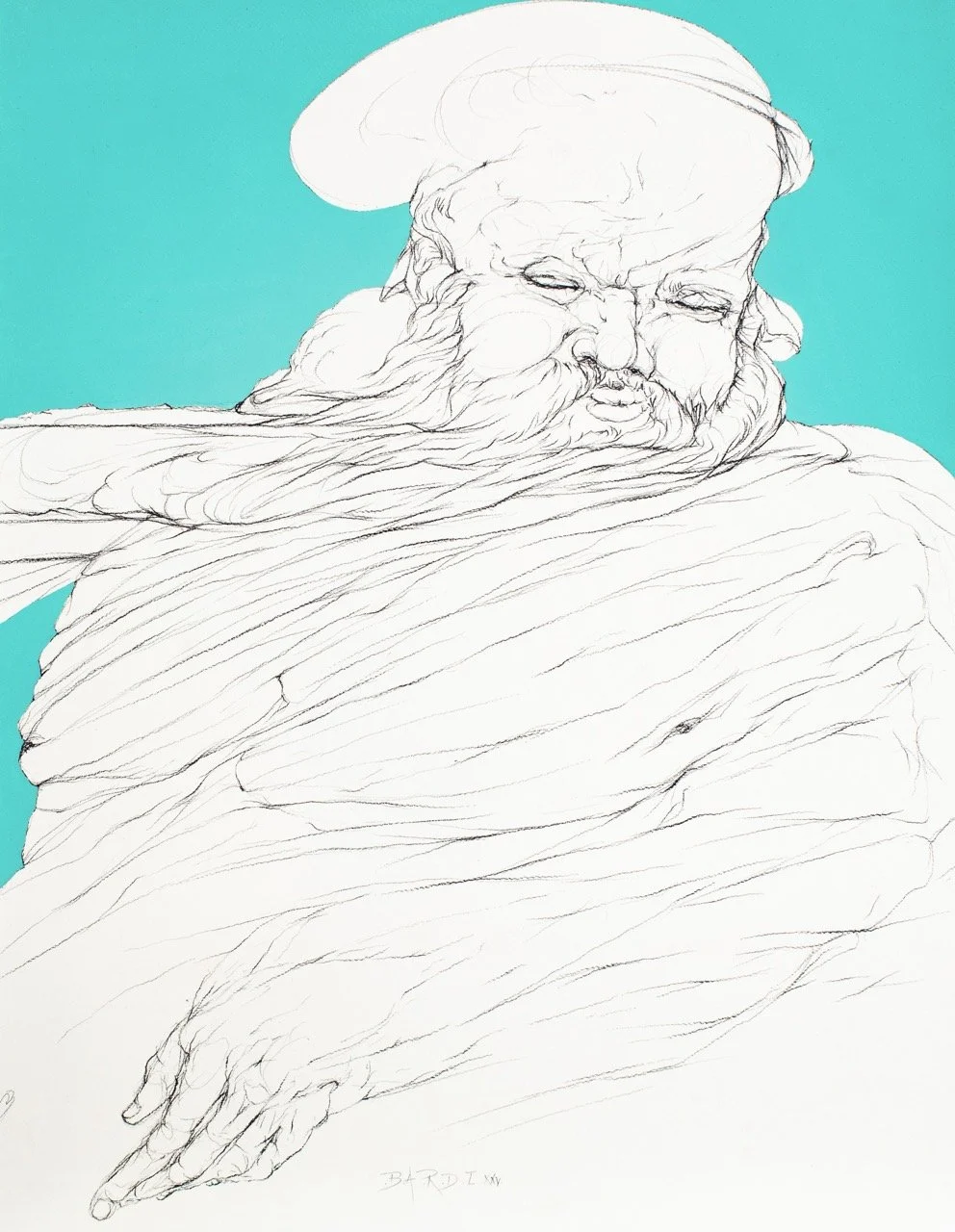
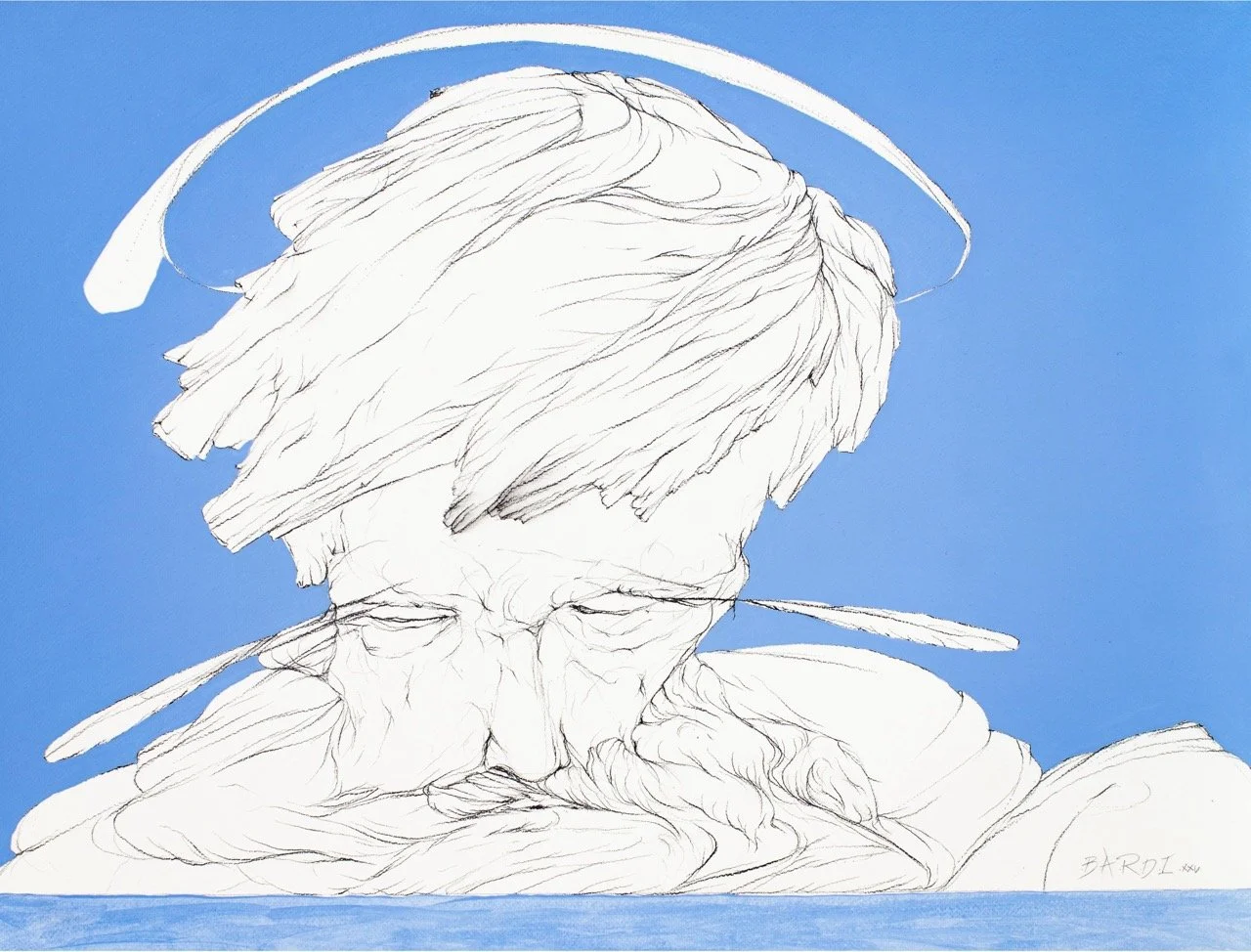
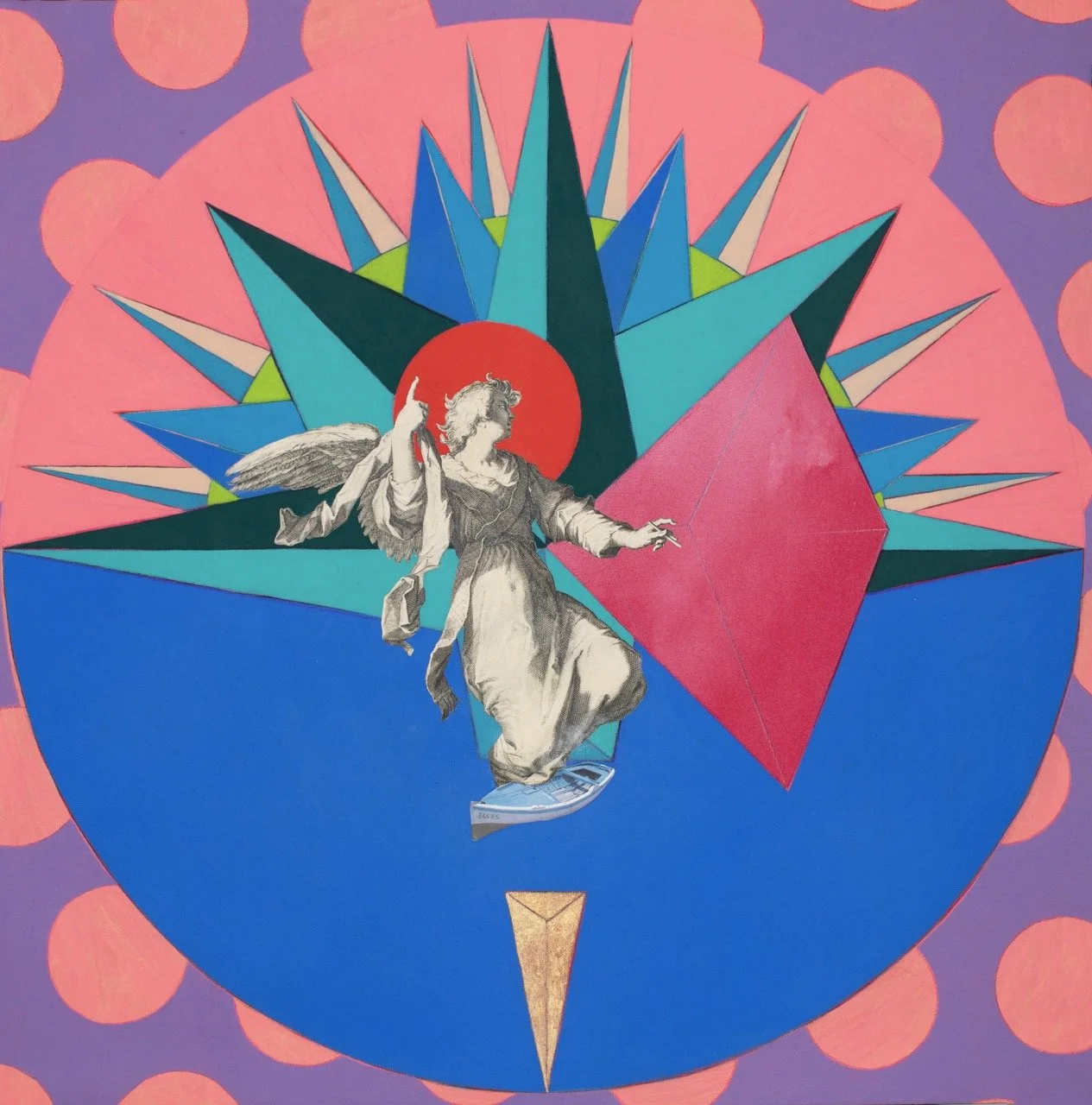
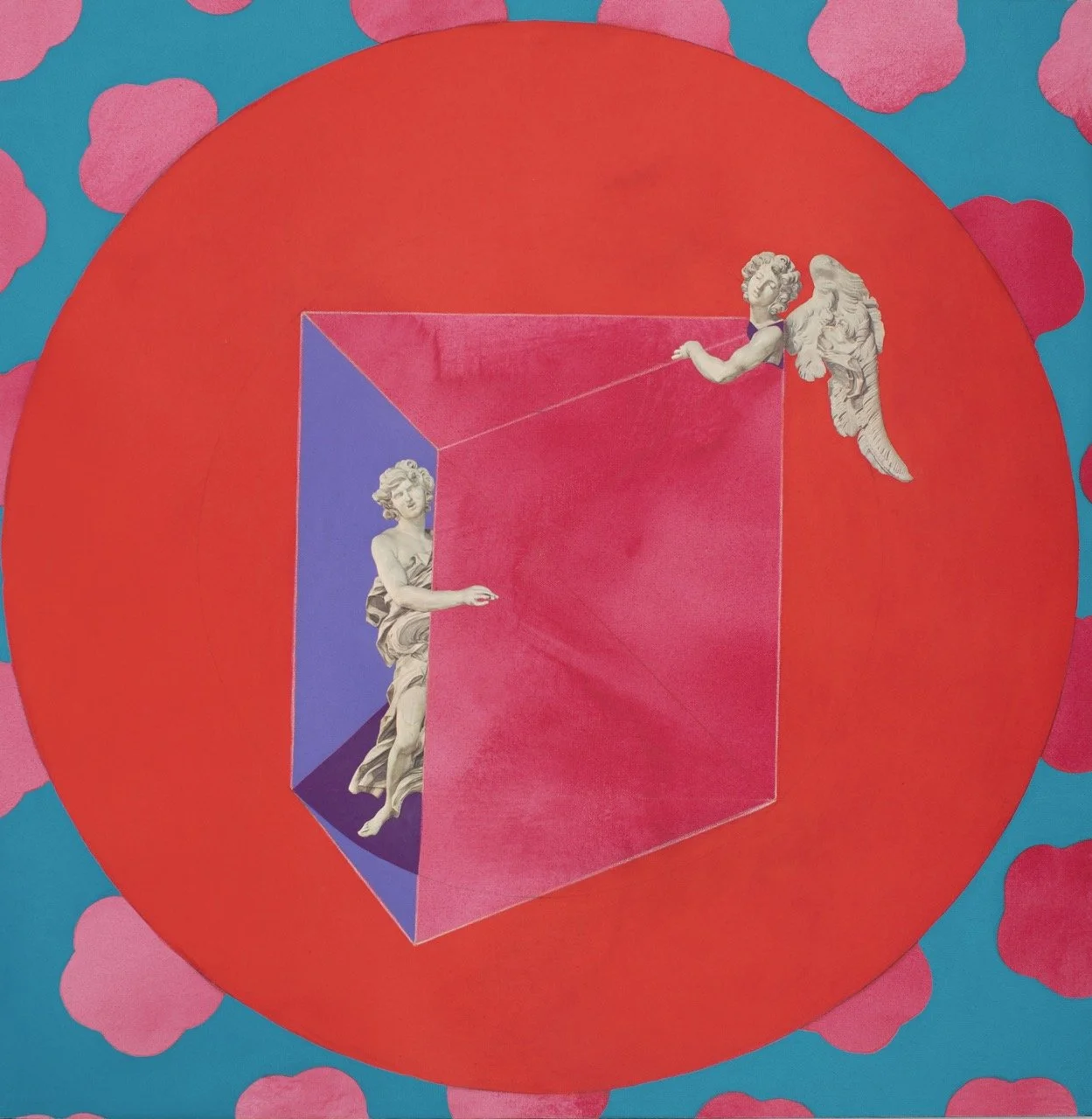
The artist distrusts the intellect and doesn't like to talk about his paintings in particular. He seeks continuity, a relationship not so much to tradition than to the sacred. He affirms: painting, this space outside everything, is transcendence. With his latest cycle of paintings, The Sleep of the gods, which follows on from Theriakos, he returns to Greek sources, philosophy and a particular awareness of space. A designer first and foremost, he gives faces to gods and goddesses without bothering with geometric perspective or illusionistic composition. The wings of Hypnos, those attributes of sleep that equate it with lightness and the realm of air, sculpts a mass that could be cloudy. Between a moon and a sun, a blue circle and a touch of yellow, Medhi Djelil plays with contrasts and the unfinished, poses without ever constraining, suggests without wanting to freeze.
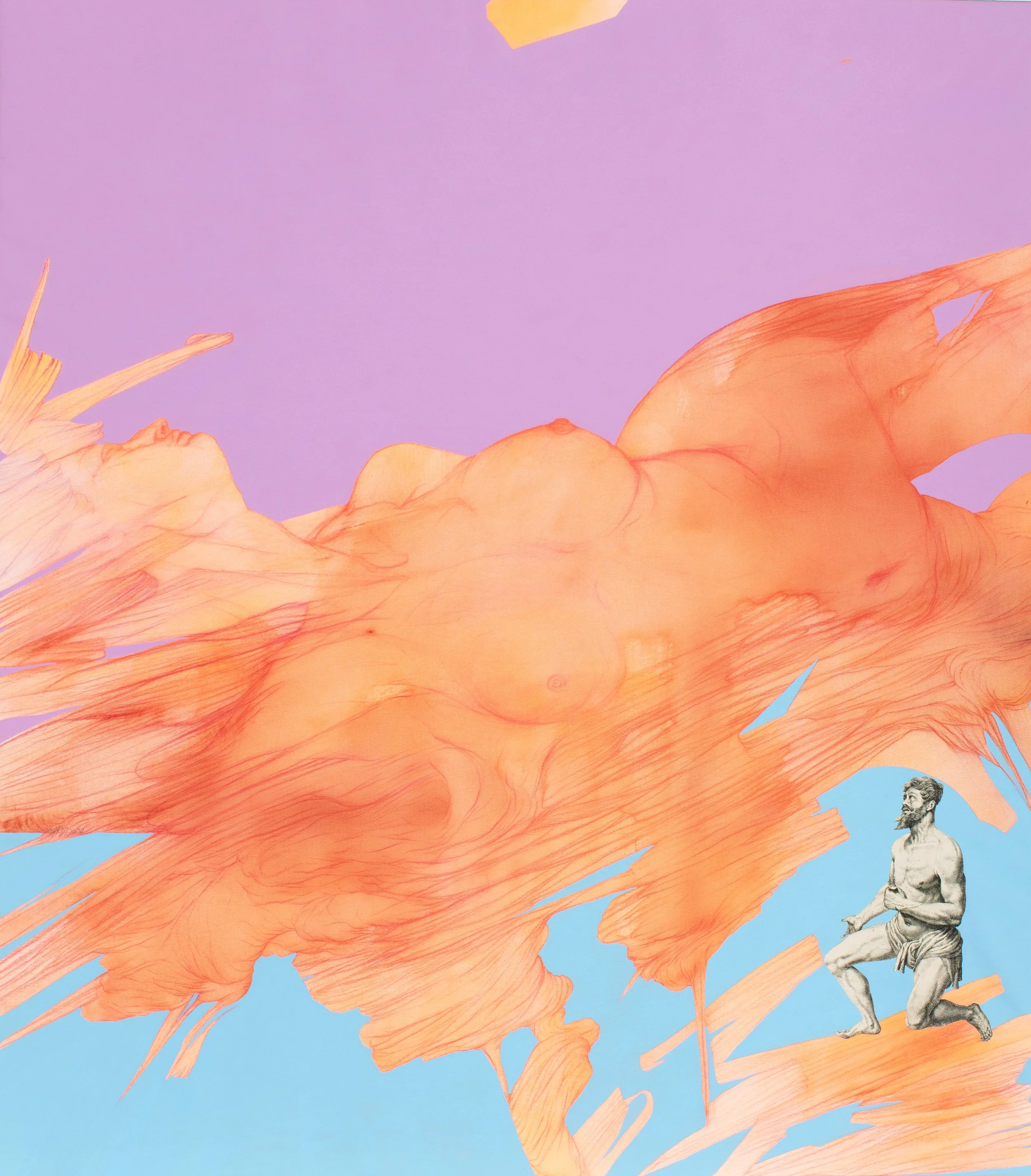
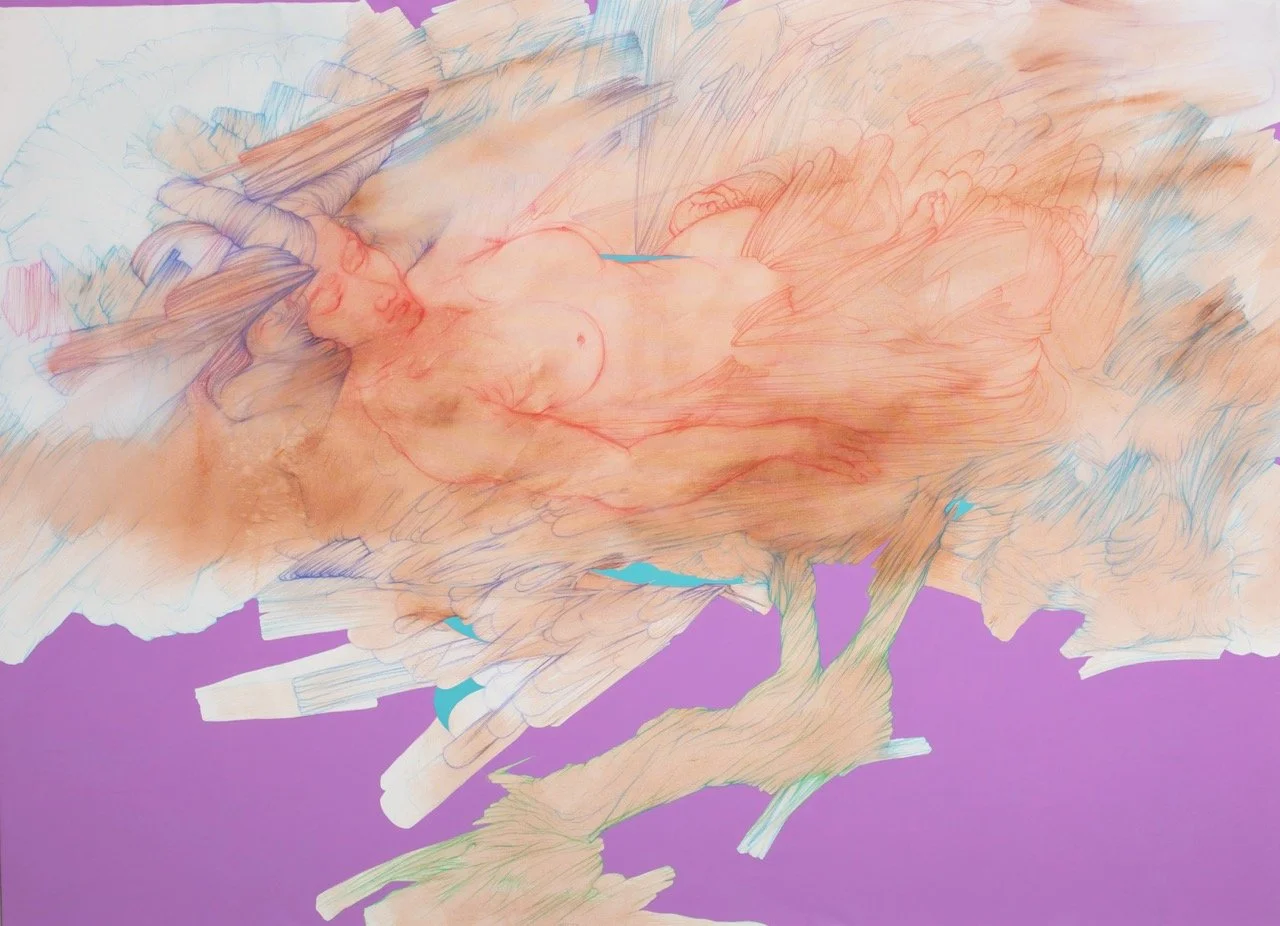
Did the Greeks believe in their myths? wondered Hellenist Jean-Pierre Vernant as he illuminated the complex relationship between the ancients and their stories, which once organized the world, rationalizing it and letting it happen. Medhi Djelil uses myths as a pretext to tell a cultural melting pot, a cultural bath. On both sides of the Mediterranean basin, the same stories circulate, with variations, different names but identical structures. Anzar and Yunja, Pan rub shoulders with Dionysus in a pantheon that acts above all as a revealer of the archetypes defined by Jung as operating across time and cultures. The artist treats these divinities as abstractions that allow the drawings, often pastel strokes, to model large acrylic flats.
Sometimes the gluing of an element of a character perpetuates the game of echoes. The work of colors, very specific to the artist, could be closer to that of the Symbolists; he never considers colour on its own, but by its association with others. “A red alone means nothing on a canvas, if you don’t put it next to a yellow, green or pink. It's the same for an artist alone or a man alone: it's worthless”.
Mehdi Djelil prefers to speak of nuances rather than colors. Colors are elusive, absolutes, when the job of painting is to invent shades. The artist is now careful not to use black and is less about his subjects.
His painting career is a series of lightnings, and the Sommeil des Dieux (Sleep of the Gods) may mark the beginning of a greater dream.